Water Heater Installation in Broomfield: What You Need to Know
SP
Installing a water heater in Broomfield can seem daunting, but with the right information, it becomes manageable. Whether you’re replacing an old unit or installing a new one, understanding the basics can save you time and money. Below, we’ll explore the essential considerations and steps involved in water heater installation.
Understanding Your Water Heater Needs
Before purchasing a water heater, it’s crucial to determine your household's hot water needs. Consider the size of your family and daily water usage. A larger family might require a tank with higher capacity, while a smaller household could benefit from a more compact unit. Additionally, consider the type of water heater—tank vs. tankless—based on your energy efficiency preferences.
Types of Water Heaters
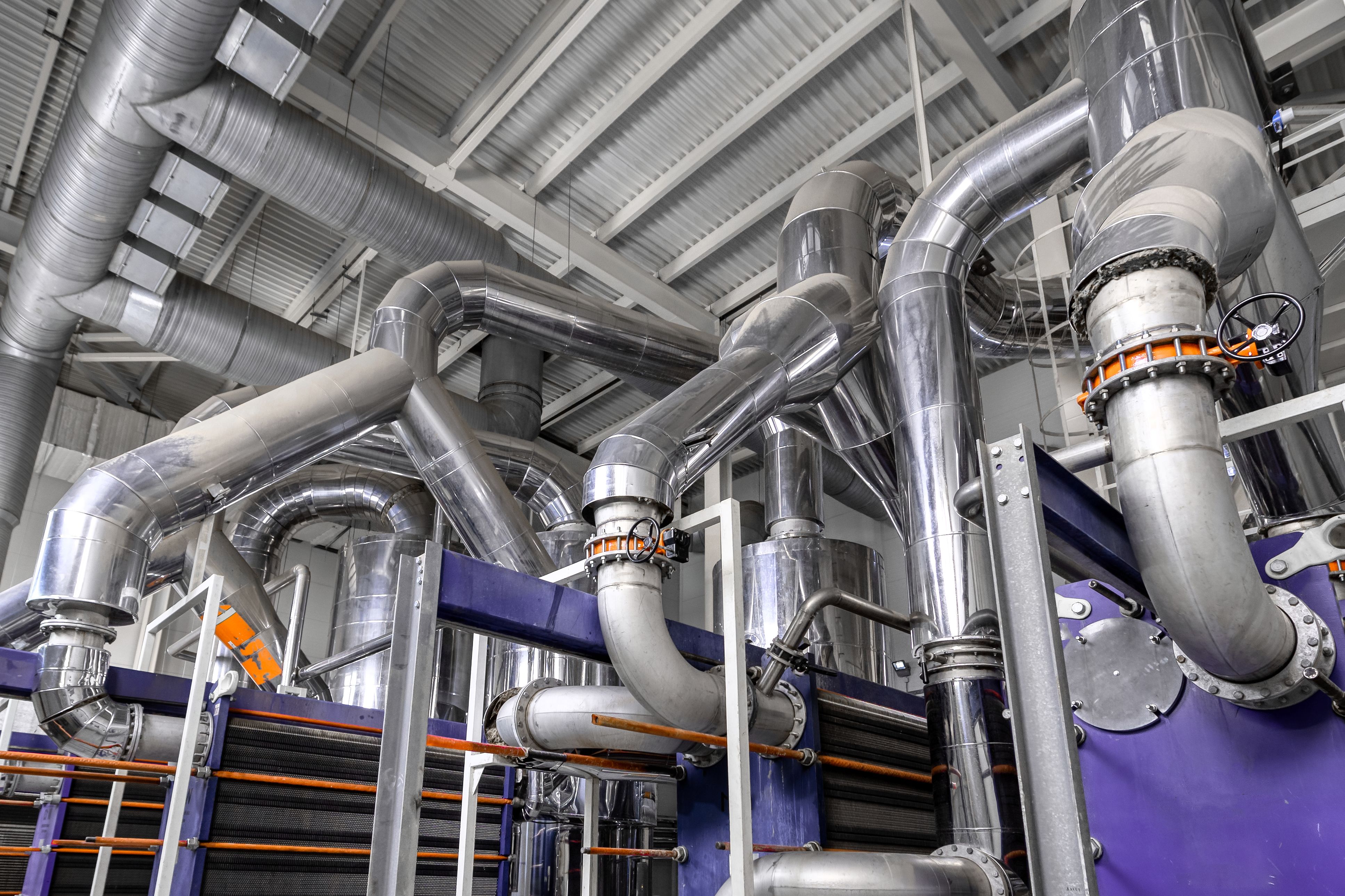
There are several types of water heaters available, each with its own advantages:
- Tank Water Heaters: These are the most common and store a large amount of hot water for immediate use.
- Tankless Water Heaters: Known for energy efficiency, they heat water on demand, which can reduce energy costs.
- Heat Pump Water Heaters: These use electricity to move heat from the air into the water, making them highly efficient.
Preparing for Installation
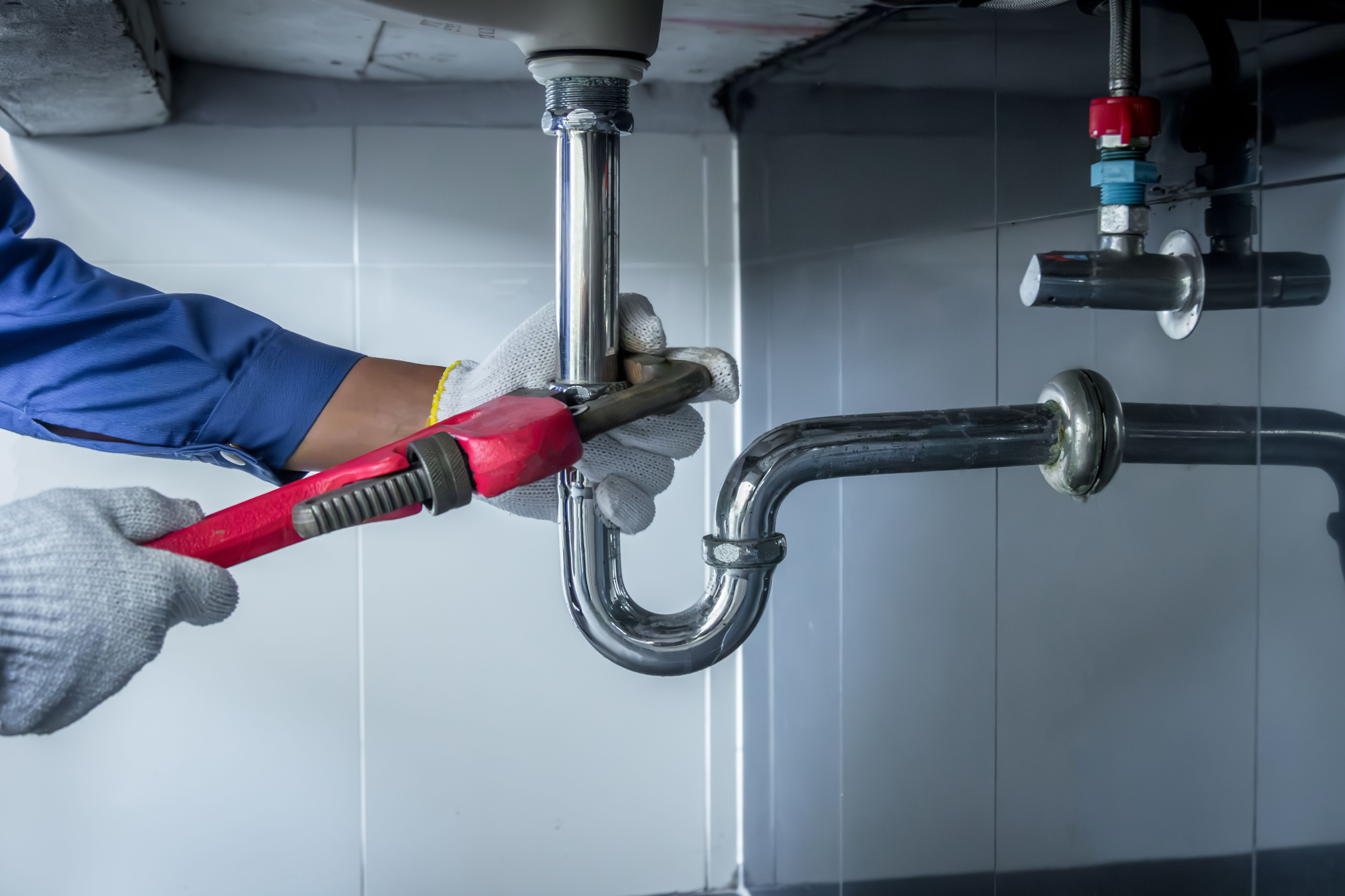
Once you’ve chosen the right water heater, preparation is key. Ensure you have the necessary tools and materials. This includes pipes, fittings, a pipe wrench, and a screwdriver. It’s also essential to have a clear understanding of your home’s plumbing system and the location where the heater will be installed.
Professional vs. DIY Installation
While some homeowners may opt for a DIY installation, hiring a professional can ensure the job is done safely and correctly. Professionals are familiar with local codes and have the expertise to handle unexpected issues, such as plumbing modifications or electrical work. Furthermore, many manufacturers require professional installation to maintain the warranty.
Installation Process
The installation process typically involves the following steps:
- Shutting off the main water supply and draining the existing tank if replacing an old unit.
- Positioning the new water heater in place and securing it properly.
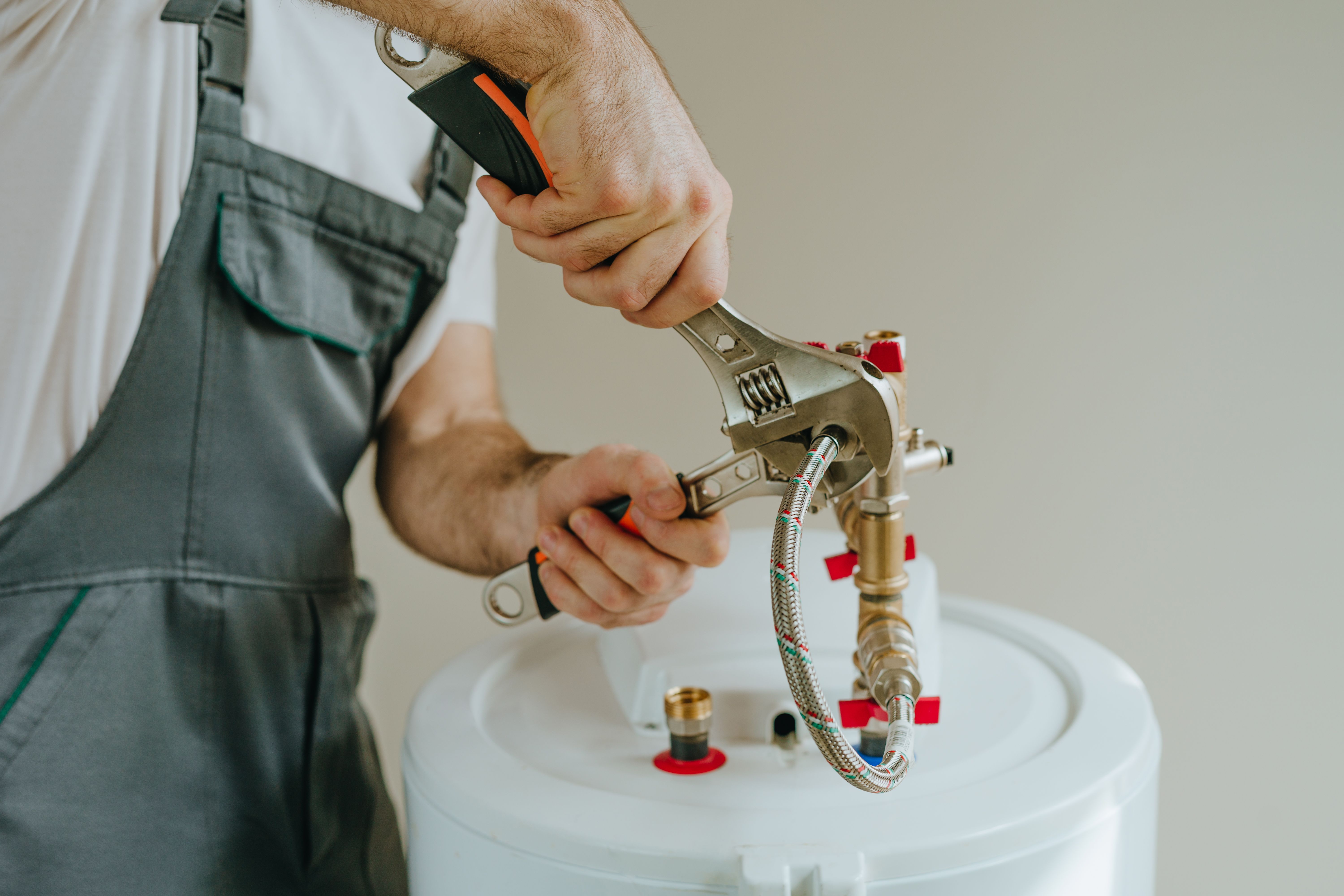
- Connecting the plumbing pipes and ensuring they are sealed tightly to prevent leaks.
- Attaching the power source, whether it’s electricity or gas, and testing the unit.
Post-Installation Tips
After the installation, perform a thorough check to ensure everything is functioning correctly. Monitor the water temperature and adjust the thermostat if necessary. Regular maintenance, such as flushing the tank annually, can extend the life of your water heater and improve its efficiency.
By understanding these essential aspects of water heater installation in Broomfield, you can make informed decisions and ensure a seamless process. Whether you choose to tackle the installation yourself or hire a professional, being prepared is the key to success.