What to Do During a Plumbing Emergency: A Comprehensive Guide
SP
Understanding the Situation
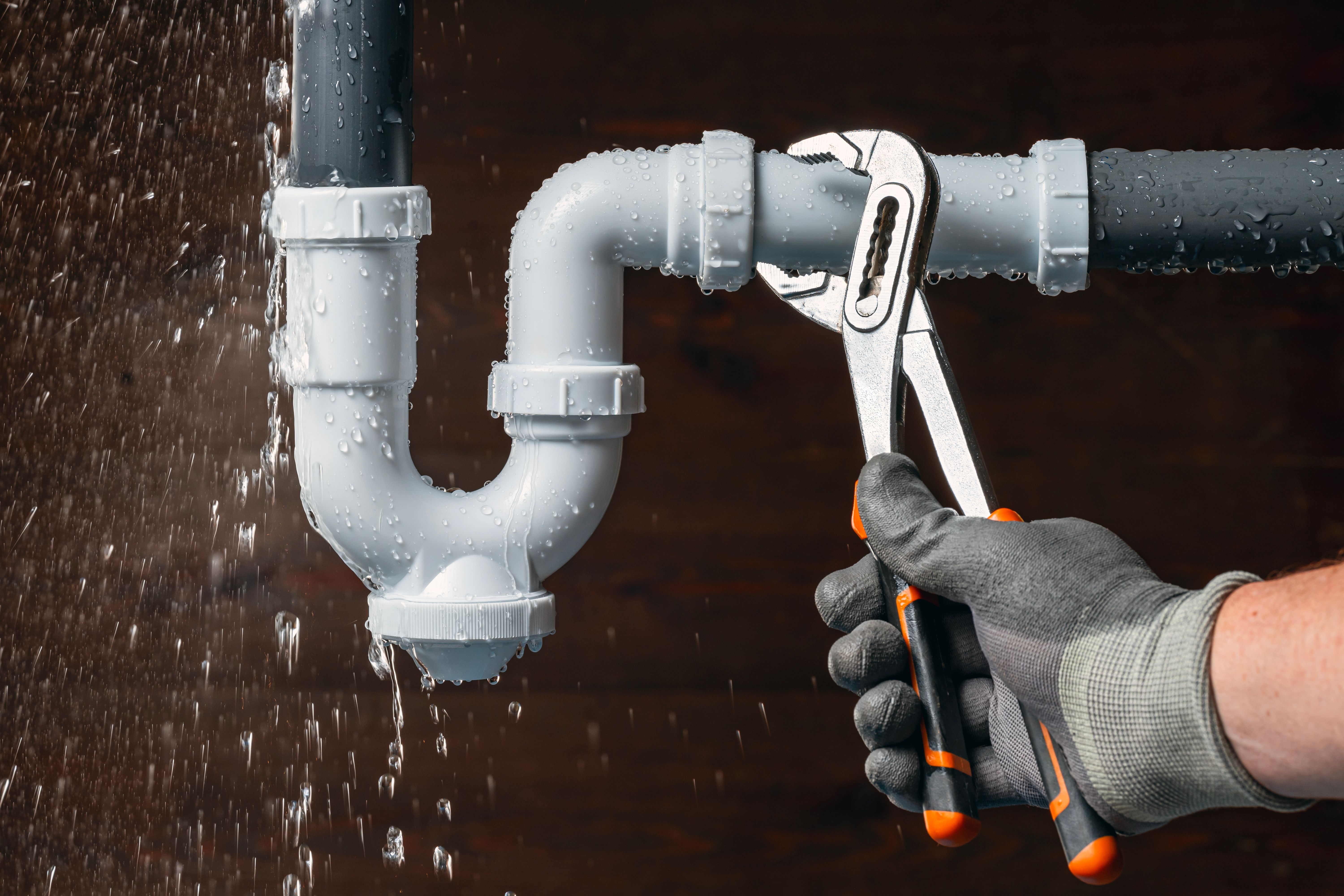
Experiencing a plumbing emergency can be overwhelming, but staying calm is crucial. The first step is to assess the situation. Determine whether the issue is a minor leak or a major flood. This will help you decide on the immediate actions needed and whether you require professional help.
Immediate Actions to Take
In any plumbing emergency, your first action should be to shut off the water supply. Locate the main water valve in your home and turn it off to prevent further damage. If the issue is localized, such as a toilet overflow or a leaking sink, shut off the specific valve connected to the fixture.
- Turn off the main water supply.
- Shut off the specific valve if it's a localized issue.
- Open faucets to drain remaining water.
Contain the Damage
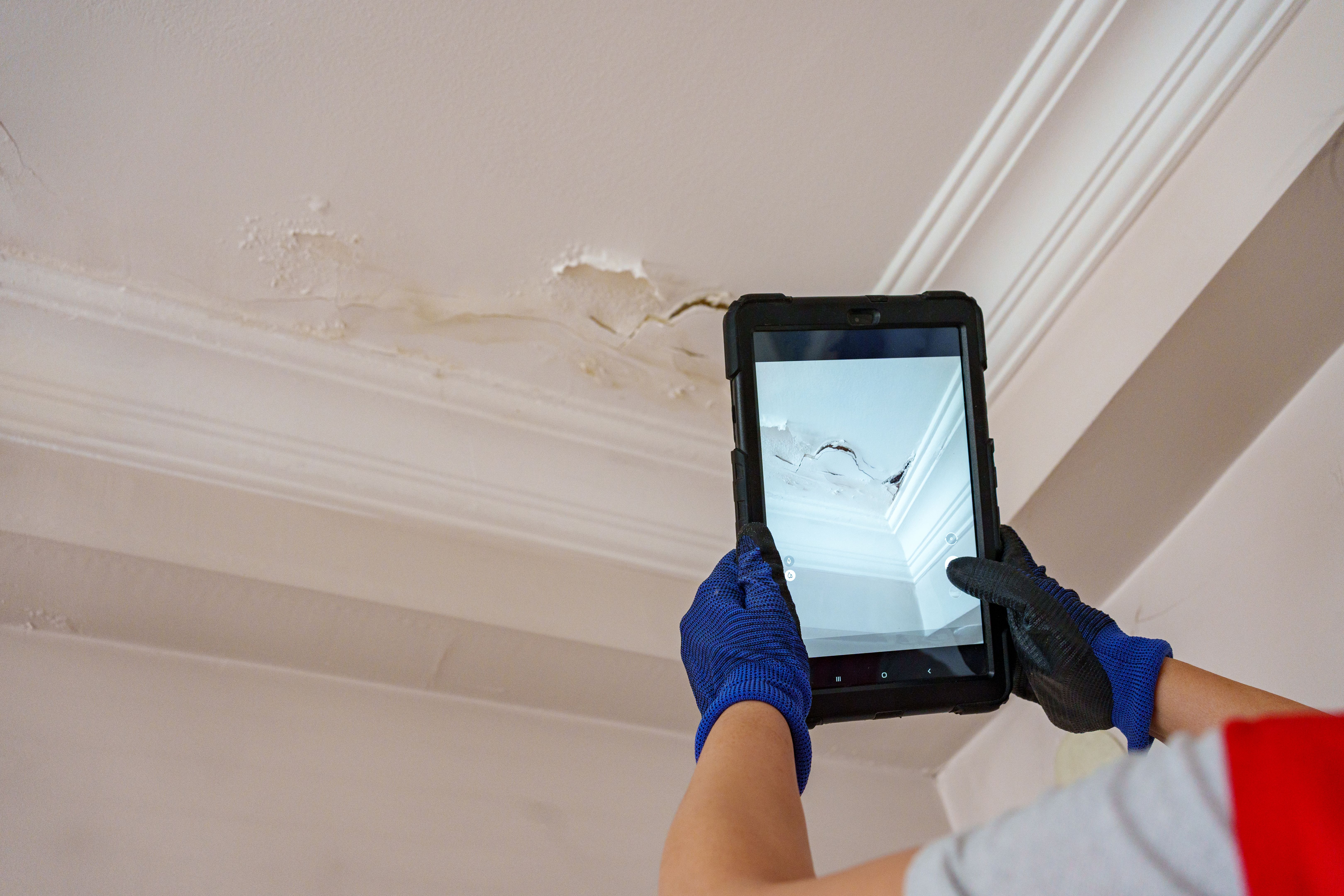
After stopping the water flow, focus on containing the damage. Use towels, buckets, or mops to soak up and divert water away from critical areas. Protect furniture and electronics by moving them out of the affected zones if possible.
When to Call a Professional
Some plumbing emergencies require immediate professional intervention. If you're unable to stop a major leak or if sewage is backing up into your home, it's time to call a plumber. Make sure to have the contact information of a reliable plumber readily available.
- Major leaks that cannot be contained.
- Sewage backups.
- Persistent water heater malfunctions.
Minor Repairs You Can Handle
For less severe issues, you might be able to manage temporary repairs until professional help arrives. Use plumber's tape for small leaks or a plunger for minor clogs. These solutions can minimize damage and buy you some time.
Preventing Future Emergencies
Once the immediate crisis is under control, consider steps to prevent future plumbing emergencies. Regular maintenance checks on your pipes, water heater, and drains can catch potential problems early. Additionally, educate your household on what can and cannot be flushed or washed down the sink to avoid blockages.
- Schedule regular plumbing inspections.
- Educate household members on proper waste disposal.
- Install water leak detectors.
Final Thoughts
Handling a plumbing emergency can be daunting, but with the right preparation and knowledge, you can minimize damage and stress. Remember to stay calm, act quickly, and know when to call in the professionals. Implementing preventative measures will also help safeguard your home against future issues.